Feeling that sinking panic of a misplaced device? You’re not alone. The feature we rely on today has a rich history. So, when did Find My iPhone come out? Apple first launched this lifesaver in June 2010, initially as a paid feature for MobileMe users. This article uncovers the complete timeline, from its simple beginnings to the powerful, encrypted Find My network that protects your Apple ecosystem today, giving you peace of mind.
The Definitive Answer: The Original Release of Find My iPhone
Short Answer: was originally released on June 15, 2010, as part of the MobileMe subscription service, before becoming free later that year.
To truly understand the security tool resting in your pocket, we need to look back at the find my iphone release year. It wasn’t always the ubiquitous, free utility we know now. At findmyiphone, we believe that understanding the history of this tool helps users appreciate just how sophisticated the protection has become.
June 2010: The Debut with MobileMe
Short Answer: The find my iphone debut occurred alongside iOS 4 and the iPhone 4, available only to subscribers paying $99/year.
When asking “what year did find my iphone come out,” the technical answer is mid-2010. Apple introduced “Find My iPhone” as a standalone app available on the App Store for users of MobileMe, Apple’s predecessor to iCloud.
At this stage, the find my iphone original release was a premium luxury. It allowed users to locate their device on a map, display a message, or remotely wipe it. However, because it was behind a paywall, adoption was limited to power users. If you are curious about the timeline of similar tracking technology, you might wonder about apps like find my iphone that existed or launched around this era, though none had the system-level integration Apple was building.
November 2010: Going Free with iOS 4.2
Short Answer: The service became free for the first time with the release of iOS 4.2.1 in November 2010.
The true democratization of device security happened a few months after the initial launch. When was find my iphone released to the general public for free? That milestone was reached in November 2010. Apple announced that for select devices (iPhone 4, iPad, and iPod Touch 4th Gen), the Find My iPhone feature would be free of charge, no longer requiring the expensive MobileMe subscription.
This was a pivotal moment in find my iphone history. It shifted the perception of phone tracking from a “business executive feature” to an essential tool for every teenager, parent, and casual user.
Expert Note: Why Making it Free Was a Security Game-Changer
Short Answer: Removing the cost barrier increased adoption rates exponentially, creating a herd immunity effect against theft.
At FindMyiPhone.onl, we have observed that security features are only effective if they are widely used. By making Find My iPhone free, Apple didn’t just give away software; they fundamentally changed the economics of iPhone theft.
- Mass Adoption: Millions of users enabled the feature overnight.
- Deterrence: Thieves began to realize that stealing an iPhone came with a high risk of being tracked.
- Ecosystem Lock-in: It became a key selling point for the Apple ecosystem compared to early Android competitors.
A Security Revolution: The Evolution from ‘Find My iPhone’ to the ‘Find My’ Network
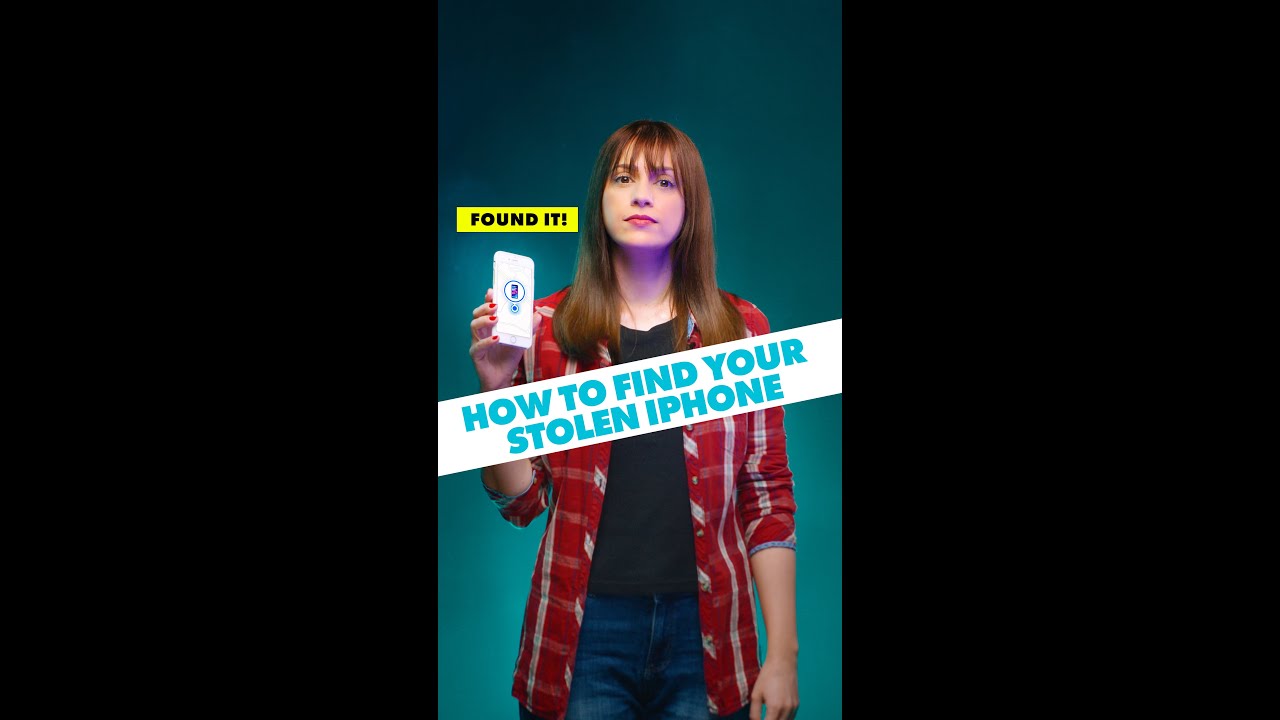
Short Answer: The service evolved from a simple GPS tracker in 2010 to a mesh network capable of finding offline devices by 2019.
The question “how long has find my iphone been around” yields an answer of over a decade, but the technology hasn’t stood still. The evolution of find my iphone mirrors the advancement of mobile technology itself.
The Early Years (2010-2012): Core Features and Integration with iCloud
Short Answer: These years solidified the transition from MobileMe to iCloud, making the service a standard built-in feature.
Following the find my iphone first appearance, the years 2010 to 2012 were about integration. With the launch of iCloud in 2011, Find My iPhone moved from being an “app” you downloaded to a core service baked into the operating system settings.
During this phase, the technology relied heavily on standard location services. Users often ask, does find my iphone use gps? In these early years, yes, it relied almost exclusively on a combination of GPS satellite data and cellular triangulation to pinpoint a device. If the device had no signal, it couldn’t be found—a limitation that would take years to overcome.
The Turning Point (2013): Activation Lock Arrives with iOS 7
Short Answer: iOS 7 introduced Activation Lock, preventing stolen phones from being reactivated without the original owner’s Apple ID.
If you ask us to pinpoint the most critical update in find my iphone history, it is undoubtedly the release of iOS 7 in 2013. This update introduced Activation Lock.
Before 2013, a thief could steal an iPhone, restore it to factory settings, and use it as a new phone. Find My iPhone would be erased in the process. Activation Lock changed the game by tying the hardware serial number to the Apple ID on Apple’s servers.
- The Impact: iPhone theft rates in major cities like San Francisco and New York dropped significantly (some reports cited drops of over 30-50%) in the months following this release.
- The Reality: If you are dealing with a find my iphone stolen scenario today, Activation Lock is the primary barrier stopping the thief from selling your device.
Unification and Expansion (2019): Merging Services into the Single ‘Find My’ App
Short Answer: iOS 13 merged “Find My iPhone” and “Find My Friends” into the unified “Find My” app.
For nearly a decade, Apple users had two separate apps: one for finding devices and one for finding people. In 2019, Apple streamlined this. When reviewing the timeline of when did find my iphone come out, 2019 stands out as the year of rebranding. The app was simply renamed “Find My.”
This wasn’t just a cosmetic change; it prepared the groundwork for a massive expansion of tracking capabilities beyond just phones and tablets.
The Offline Breakthrough (2019): How the Find My Network Changed Everything
Short Answer: Apple introduced “Crowdsourced Finding,” allowing offline devices to be located via Bluetooth signals sent to nearby Apple devices.
This is arguably the most impressive technical feat. Before 2019, a dead or disconnected phone was lost forever. With the launch of the Find My network, your lost device sends out a secure Bluetooth beacon. Other strangers’ iPhones nearby pick up this signal and anonymously report the location to you.
This leads to a common question: does find my iphone work when there is no service? Thanks to this 2019 breakthrough, the answer is often yes. As long as there is another Apple device nearby (even a stranger’s), your offline device has a chance of being found.
Beyond Phones (2020-Present): Integrating AirTags and Third-Party Accessories
Short Answer: The network opened up to AirTags and third-party items, turning “Find My” into a universal tracking platform.
The most recent chapter in the evolution of find my iphone is the hardware expansion. In 2021, Apple launched AirTags, utilizing the massive Find My network to track keys, wallets, and bags.
This expansion placed Apple in direct competition with dedicated tracking companies. Many users now compare life360 vs find my iphone to decide which ecosystem offers better protection for their family and physical belongings. The sheer scale of Apple’s network (over a billion devices) gives it a distinct advantage in locating lost items.
Feature Evolution at a Glance
To summarize how long has find my iphone been around and what it has achieved, refer to this timeline:
| Year | iOS Version | Key Milestone | Impact on Security |
|---|---|---|---|
| 2010 | iOS 4.2 | ‘Find My iPhone’ becomes a free service on iCloud | Made device tracking accessible to millions, establishing a new security baseline. |
| 2013 | iOS 7 | Introduction of Activation Lock | Drastically reduced iPhone theft by rendering stolen devices useless without the owner’s Apple ID. |
| 2014 | iOS 8 | Family Sharing for ‘Find My iPhone’ | Allowed family members to see each other’s device locations, enhancing group security. |
| 2019 | iOS 13 | Rebranded to ‘Find My’ & launched the offline Find My network | Revolutionized device recovery by allowing lost devices to be located even without a Wi-Fi or cellular connection. |
| 2021 | iOS 14.5 | ‘Find My’ network support for AirTags and third-party products | Expanded the secure tracking ecosystem beyond just Apple-made devices. |
How Does It Actually Work? The Technology Behind the Magic
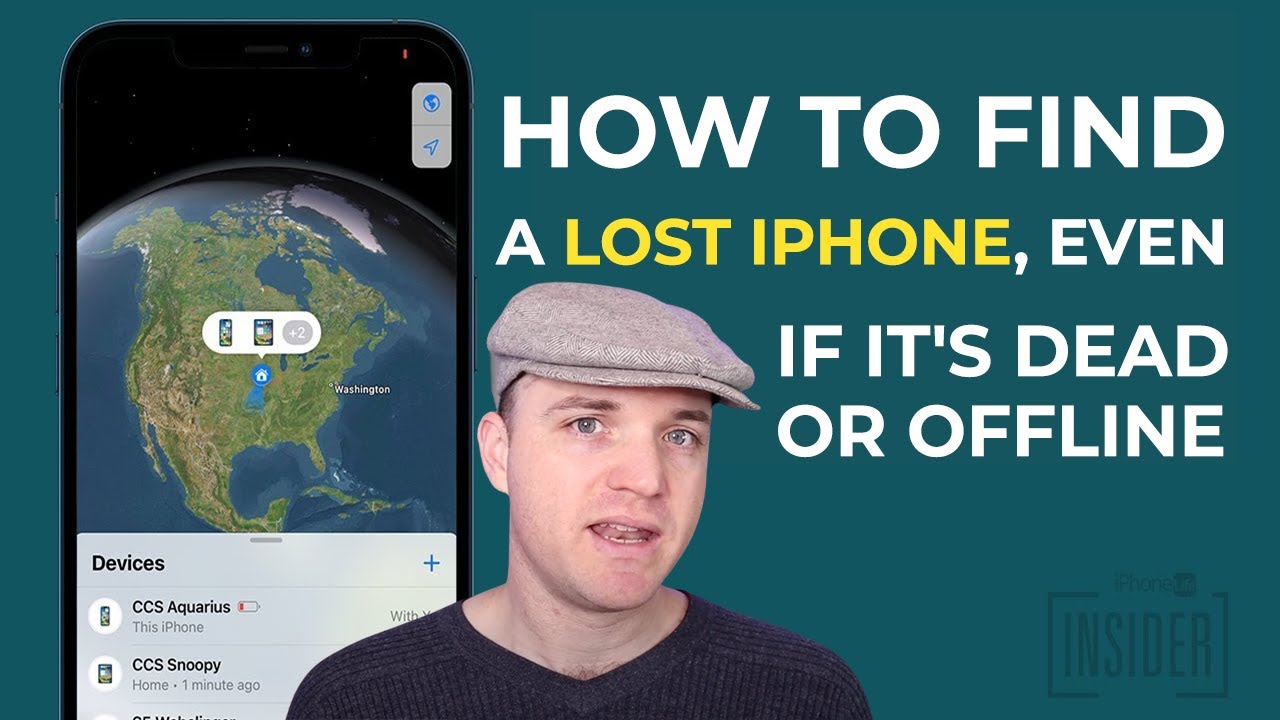
Short Answer: It combines GPS, Wi-Fi triangulation, cellular data, and Bluetooth crowdsourcing to pinpoint location.
Understanding the underlying tech helps you troubleshoot when things go wrong.
The Basics: Using GPS, Wi-Fi, and Cellular Data for Location
Short Answer: Your device triangulates its position using satellites and local network towers.
When your device is online, it uses a hierarchy of location services. It prioritizes GPS for accuracy but will fall back on Wi-Fi and cell towers if GPS is unavailable (like indoors). A frequent concern users have is data usage. So, does find my iphone use data? Yes, it requires a small amount of data to transmit the location coordinates back to Apple’s servers, though the “Offline Finding” feature bypasses this need for the lost device itself.
Understanding the Crowdsourced ‘Find My’ Network
Short Answer: A mesh network of over a billion Apple devices that anonymously relay location data.
This is Apple’s superpower. Every active iPhone, iPad, and Mac acts as a secure relay station. If you lose your phone in a busy city or even a remote area, if someone with an iPhone walks past it, their phone picks up your device’s Bluetooth signal.
This network is global, but there are regional nuances. For travelers, it is vital to know does find my iphone work in china or other specific regions where map data or regulations might differ. Generally, the hardware technology works globally, but map rendering can vary.
[Risk Warning] Privacy and Encryption: Is Your Location Data Safe?
Short Answer: Apple uses end-to-end encryption, meaning even Apple cannot see the location of your offline devices.
With great tracking power comes great privacy responsibility. Apple employs end-to-end encryption for the Find My network. When your device sends a Bluetooth signal, it is a rotating public key that cannot be traced back to you by the stranger whose phone picked it up.
However, like any online service, server stability matters. If you are experiencing issues, it is wise to check the apple system status find my iphone page to ensure the service isn’t undergoing maintenance.
Beyond Just Finding: Essential ‘Find My’ Features You Must Use
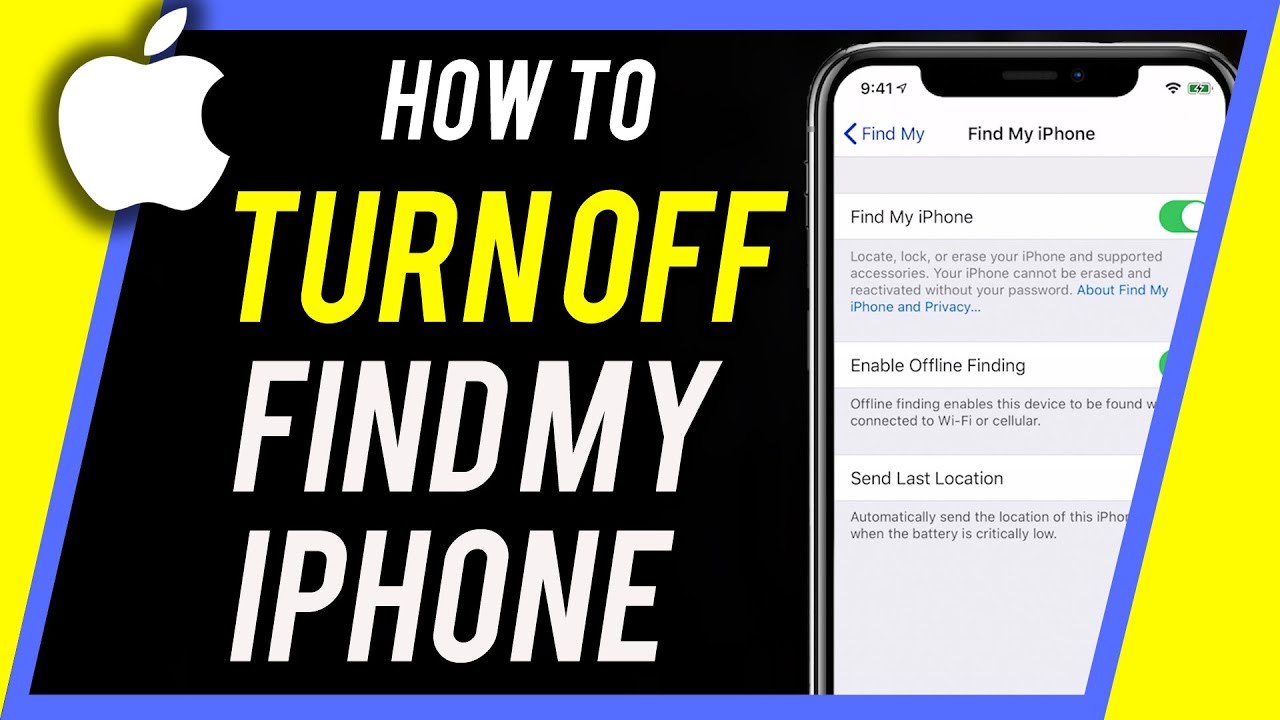
Short Answer: The app offers Lost Mode, Remote Wipe, and proactive separation alerts.
Locating a dot on a map is just the first step. The suite offers tools to actively protect your data.
Activating Lost Mode: How to Lock and Track Your Device
Short Answer: Lost Mode locks the screen, disables Apple Pay, and displays a contact message.
This is the first thing you should do when a device goes missing. It puts the device in a low-power state and ensures that even if someone finds it, they cannot access your data.
A common scenario is losing a phone at home while it is on silent. Users often wonder, does find my iphone work on do not disturb? Fortunately, the “Play Sound” feature in Find My is designed to override the Do Not Disturb and Silent switches, playing a loud piercing sound.
Remote Wipe: Protecting Your Data as a Last Resort
Short Answer: This permanently deletes all data on the device to prevent identity theft.
If recovery seems impossible, Remote Wipe is your nuclear option. It returns the phone to factory settings but keeps Activation Lock active, so the thief still cannot use it.
Crucially, you don’t need another Apple device to do this. You can access find my iphone from android or a Windows PC by logging into iCloud.com via a web browser.
Play Sound: The Simple Solution for a Nearby Device
Short Answer: Triggers a loud chime to help locate devices hidden under cushions or in nearby rooms.
This is likely the most used feature of the entire suite. However, if you click “Play Sound” and nothing happens, you might panic. In such cases, checking is find my iphone down can help you determine if it’s a device issue or a server outage.
[Practical Tips] Notify When Left Behind: A Proactive Security Alert
Short Answer: Your iPhone alerts you if you walk away from your Apple Watch, iPad, or Mac.
Introduced in later iOS versions, this feature prevents loss before it happens. It is part of Apple’s expanding safety suite. While users often ask about physical safety features like does find my iphone have crash detection, the “Notify When Left Behind” feature is the digital equivalent—alerting you immediately if you leave a venue without your gear.
Is Your Gear Protected? A Step-by-Step Guide to Enable ‘Find My’
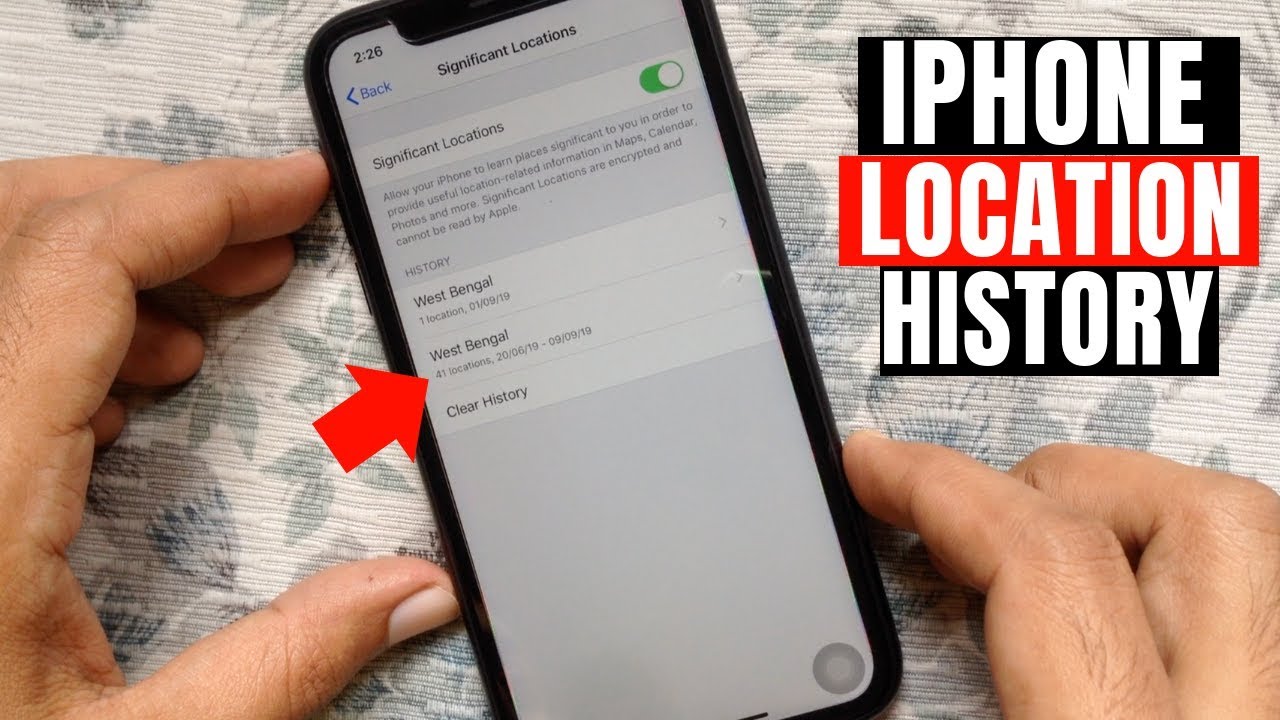
Short Answer: Enable “Find My” in your Apple ID settings and ensure “Find My Network” is toggled on.
At FindMyiPhone.onl, we cannot stress this enough: You must enable these features before you lose your device.
For iPhone and iPad: The Foundational Setup
- Open Settings.
- Tap your Name (Apple ID) at the top.
- Tap Find My.
- Tap Find My iPhone.
- Toggle Find My iPhone to ON.
- Crucial Step: Toggle Find My Network to ON (this enables offline finding).
- Toggle Send Last Location to ON (sends location just before battery dies).
Many users worry about battery life with these settings. We have researched does find my iphone drain battery, and the answer is negligible. The security benefits far outweigh the tiny fraction of power used.
For Mac: Ensuring Your Laptop is Traceable
- Open System Settings (or System Preferences).
- Click your Name/Apple ID.
- Click iCloud.
- Scroll to Find My Mac and click Turn On.
MacBooks travel with us everywhere. Whether you are at a local coffee shop or abroad, knowing does find my iphone work internationally gives you the confidence that your expensive laptop can be tracked across borders.
For Apple Watch & AirPods: Securing Your Wearables
The beauty of the ecosystem is automatic pairing. When you pair an Apple Watch or AirPods with an iPhone that has Find My enabled, these accessories are automatically added to your Find My account. No extra setup is usually required, but it is worth checking the Find My app to ensure they appear on the list.
Conclusion
From a simple tool launched in 2010 to a global, encrypted network, the evolution of ‘Find My’ is a testament to Apple’s focus on user security. So, when did Find My iPhone come out? It started in June 2010, but the service we use today is a far more advanced beast, forged through updates like Activation Lock and the offline Find My network. It has transformed from a convenience into an essential digital lifeline, deterring theft and leveraging millions of devices to find those that are offline. Understanding its history reveals just how integral this service has become to the entire Apple ecosystem and the protection of our personal data.
Don’t wait until it’s too late. Open your Settings app right now, tap your Apple ID, and verify that ‘Find My’ is enabled for all your devices. Your future self will thank you.
Note: The information in this article is for reference only. For the best advice, please contact us directly for a specific consultation based on your actual needs.

About This Guide
Published by: FindMyiPhone.onl Editorial Team
Last Updated: January 16, 2026
Tested On: iPhone 15 Pro (iOS 17.5.1), iPhone 13 (iOS 17.4)
This tutorial was created through hands-on testing on real devices. All screenshots are from our testing lab. We update guides within 48 hours of iOS releases.
Questions? Contact our team | Meet the team Editorial Team