Verifying your iPhone’s security often starts with one critical question: is Find My iPhone on by default? The answer is generally yes, but it depends entirely on your initial device setup. This article provides a definitive check on the default status of Find My, explains what this verification actually means for your device’s security and Activation Lock, and clarifies what you can and cannot confirm to prevent misunderstandings or scams.
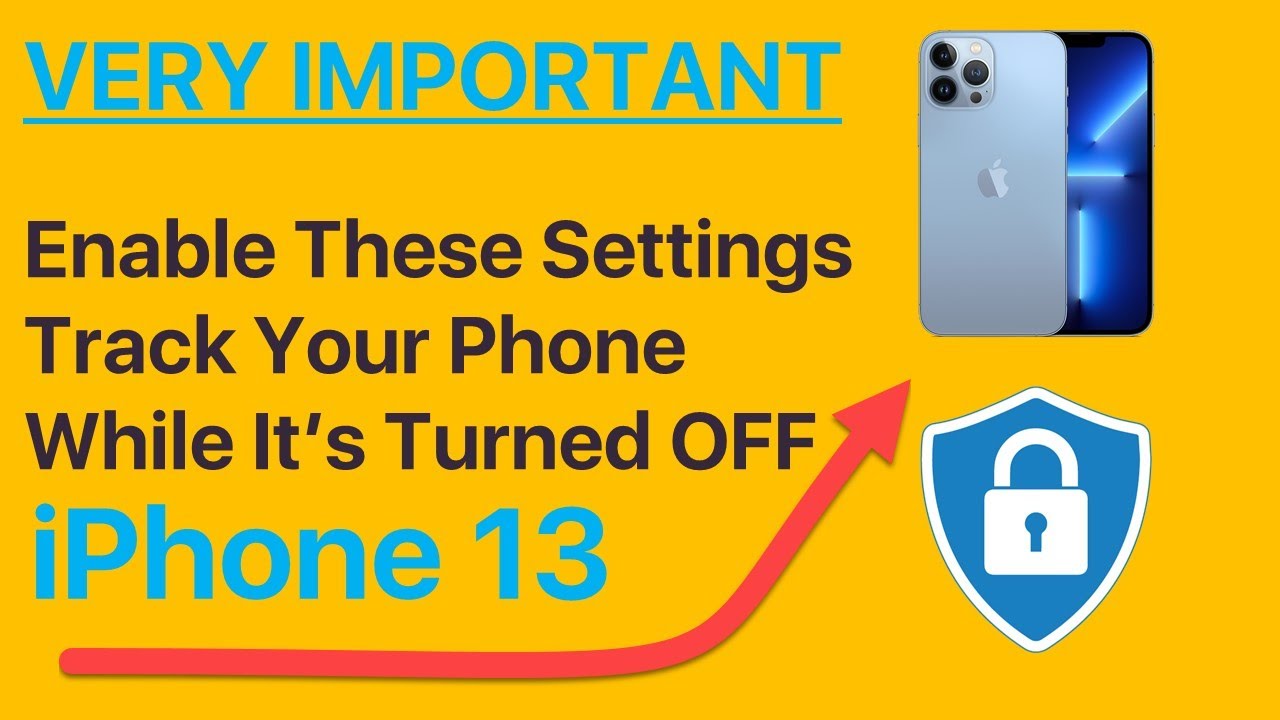
At findmyiphone, we understand that uncertainty about device security can lead to anxiety. Whether you have just purchased a new device, are auditing your privacy settings, or are in the unfortunate position of having lost a phone, knowing the exact status of your security features is the first step toward protection. This guide will walk you through the facts, removing the guesswork from the equation.
The Direct Answer: Find My iPhone Default Status
Status: Enabled (Conditional)
TL;DR: Yes, If You Signed Into iCloud During Setup
If you unboxed your iPhone, turned it on, and signed in with your Apple ID (iCloud account) during the initial “Hello” screen setup process, Find My iPhone is turned on by default. Apple has designed the iOS ecosystem to prioritize security; therefore, the operating system automatically enables this feature to protect your investment immediately upon account linkage.
The One Condition for Automatic Activation
It is crucial to understand that the “default” setting is not hard-coded into the hardware itself; it is a software toggle triggered by user action. The trigger is the association of an Apple ID. When you enter your credentials, iOS prompts you to enable location services. Unless you explicitly opted out or dug into sub-menus to disable it during those first few minutes of ownership, the feature is active.
For those specifically wondering is find my iphone on by default, the safest assumption is “Yes,” provided the device is linked to an account. This automatic activation is designed to combat theft and ensure data recoverability.
What Happens If You Skip Apple ID Sign-In?
If you chose “Set Up Later in Settings” or “Don’t have an Apple ID” during the initial configuration, Find My iPhone is OFF. Without an Apple ID, there is no cloud account for the device to report its location to. In this scenario, the device is essentially “dark” to Apple’s servers regarding security tracking.
Why Apple Cannot Remotely Activate It For You
A common pain point we see at FindMyiPhone.onl is users asking if Apple Support can flip the switch after a device is lost. The answer is a definitive no. Because of Apple’s strict privacy architecture, they do not have a “backdoor” to remotely activate tracking features on a device that did not already have them enabled. If it was not on before the loss, it cannot be turned on after.
What Verifying “Find My” Status Actually Means for Your Security
Status: Confirmation of Ownership Link
It Confirms Activation Lock is Engaged
When you verify that Find My is enabled, you are primarily confirming that Activation Lock is active. This is the mechanism that prevents anyone else from using your iPhone if it is lost or stolen. Even if a thief erases your phone, they cannot reactivate it without your specific Apple ID and password.
Understanding the relationship between the tracking feature and the lock is vital. For a deeper dive into this security layer, you should read about find my iphone activation lock to understand how it renders stolen devices useless to thieves.
It Verifies a Link to an Apple ID
Checking the status confirms that a specific device is legally and digitally tethered to a specific iCloud account. This “handshake” between the hardware (your iPhone) and the server (iCloud) allows for remote commands. If the status is “On,” the handshake is valid.
What This Status Check Does NOT Reveal About the Owner
While the status confirms an account is linked, it does not reveal:
- The email address of the owner (it will be partially masked, e.g., k*@icloud.com).
- The owner’s real-time physical location to third parties.
- The owner’s personal data (photos, messages, etc.).
The Difference Between Location Services and Find My Network
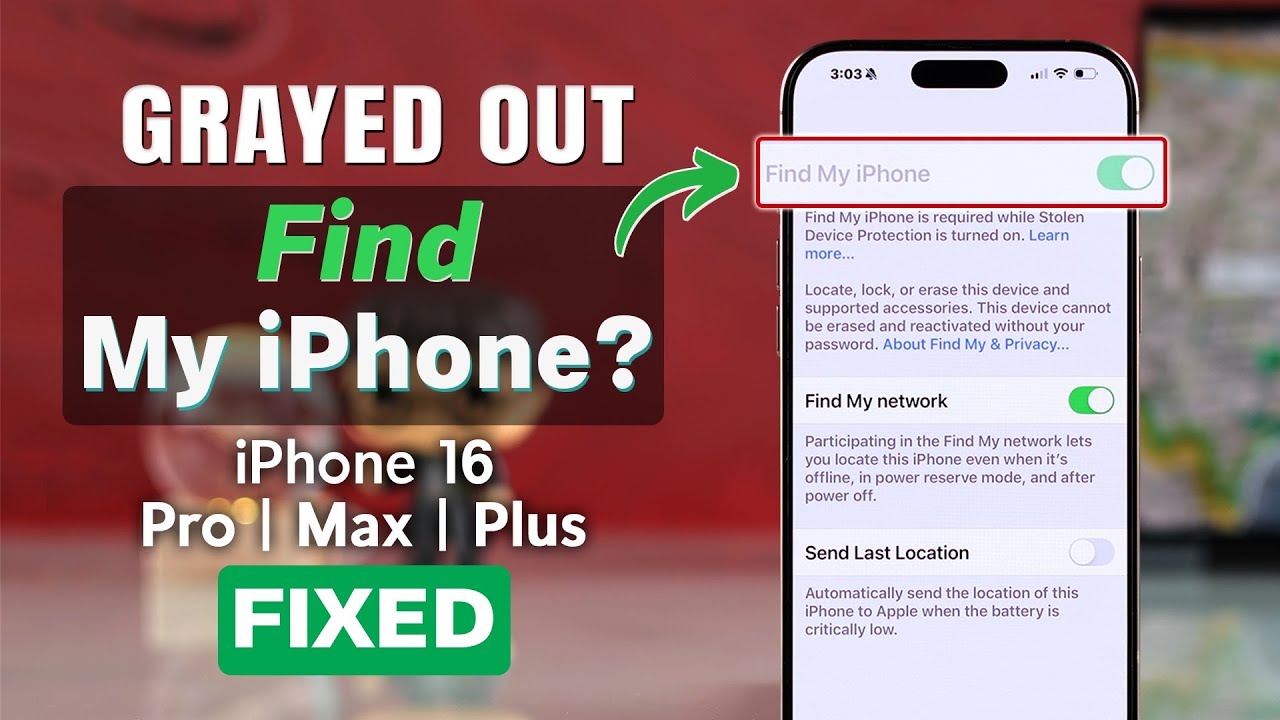
“Find My iPhone” being on is the master switch. However, modern iPhones also use the Find My Network. This allows an iPhone to be found even if it is offline or powered down (on iPhone 11 and later), by piggybacking on Bluetooth signals from other nearby Apple devices. Verifying your settings usually ensures both are active, drastically increasing recovery chances.
How to Check if Find My is Enabled on Any iPhone
Status: Actionable Steps
The Definitive Check: On the Device in Your Hands
If you have physical access to the device, this is the only 100% accurate method to verify the current configuration.
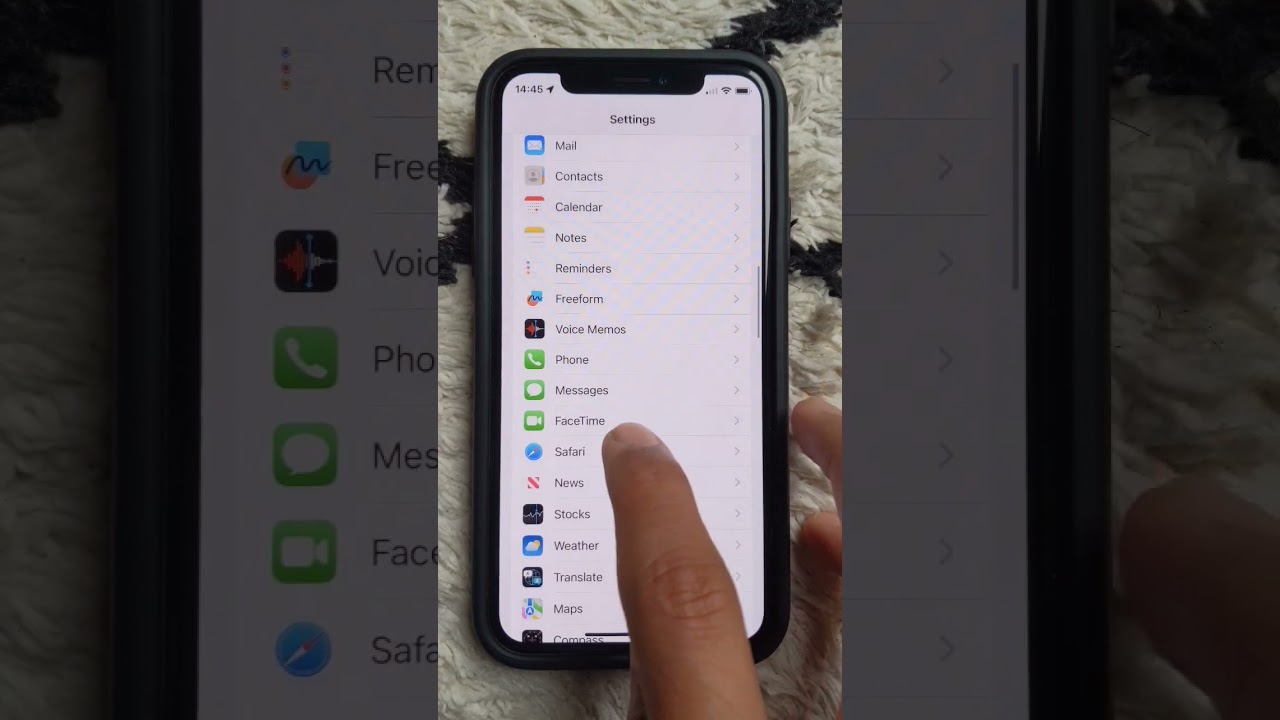
- Open the Settings app.
- Tap your Name/Apple ID banner at the very top.
- Tap Find My.
- Look at the status next to Find My iPhone. It should say On.
If you are unsure if you have performed this correctly, you can follow our detailed guide to check if find my iphone is on for visual aids and troubleshooting.
The Remote Check: Using iCloud.com for Your Devices
If you do not have the device (e.g., you left it at work), you can verify its status via a web browser.
- Go to iCloud.com/find.
- Sign in with your Apple ID.
- Click on All Devices.
- If your iPhone appears on this list, Find My iPhone is enabled.
This method confirms the device is communicating with Apple’s servers. If the device is not on the list, the feature is disabled.
The Buyer’s Check: Verifying Status on a Used iPhone Before Purchase
If you are buying a second-hand iPhone, you must verify that the previous owner has removed their account. If they haven’t, the phone is worthless to you.
The “Hello” Screen Test:
The most reliable check is to turn the device on. If it goes to the “Hello” screen and allows you to proceed through setup without asking for the previous owner’s password, Find My is off.
The IMEI/Serial Check:
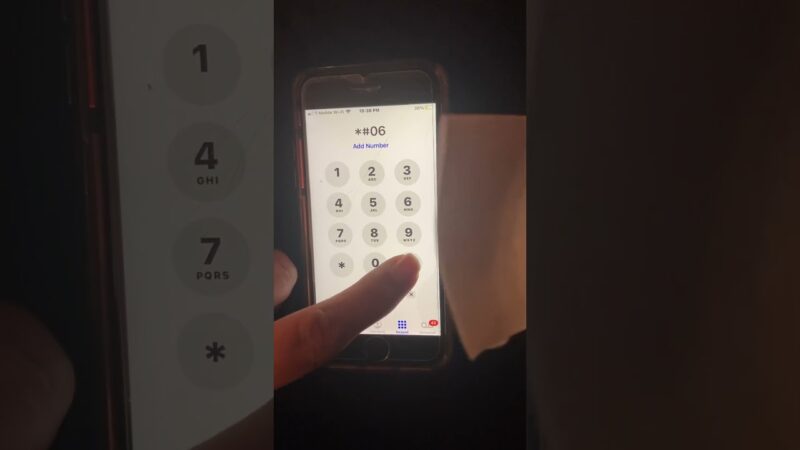
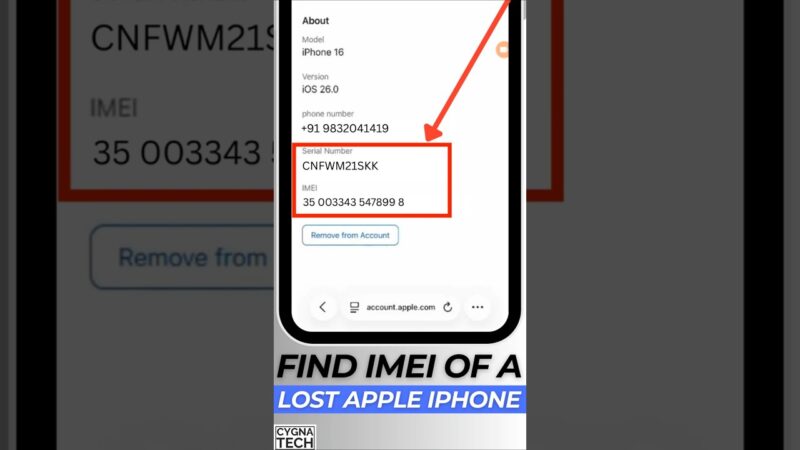
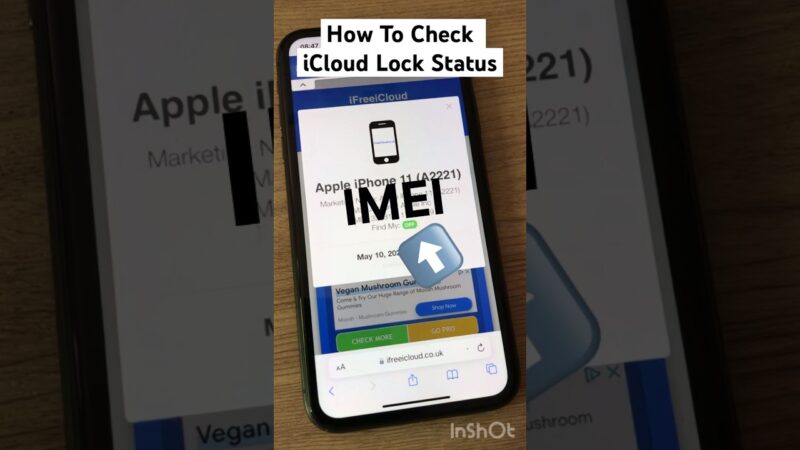
Many users attempt to use the device’s unique serial number to check status remotely. While Apple used to provide a public tool for this, they have since removed it. Now, you must rely on third-party checkers or the physical device setup. For those attempting this method, understanding the limitations is key; learn more about how to check if find my iphone is on using imei to avoid inaccurate results.
Verification Capabilities: What You Can Check vs. What You Cannot
Status: Reality Check
At FindMyiPhone.onl, we believe in managing expectations. Here is a breakdown of what is technologically possible regarding status verification.
Possible Verifications ✓
- ✓ Activation Lock Status: You can confirm if a device is locked to an ID (often via third-party paid services or physical inspection).
- ✓ iCloud Link: You can verify if your own devices are reporting to your account.
- ✓ Clean vs. Lost Mode: You can verify if a device has been marked as “Lost” by the owner (if you are the owner or looking at the screen message). To understand what a “clean” status implies for resale, review our guide on find my iphone on icloud status clean..
- ✓ Warranty Status: You can check Apple Care coverage via serial number (which often hints at valid purchase dates).
Impossible Verifications ✗
- ✗ Real-Time Location via IMEI: You cannot track a phone’s GPS coordinates using only its IMEI number.
- ✗ Previous Owner’s Identity: You cannot uncover the full name or address of the person who locked the phone.
- ✗ Remote Activation: You cannot turn on Find My if it was off before the device was lost.
- ✗ Bypass via Serial Number: You cannot use the serial number to remove an existing iCloud lock.
Common Reasons for Checking Find My iPhone Status

Status: Use Cases
Scenario 1: Buying or Selling a Second-Hand iPhone
This is the most critical use case. A buyer must ensure the status is OFF to take ownership. A seller must ensure the status is OFF to prevent the buyer from returning the phone as defective. Failure to check this often results in the purchase of a “paperweight”—a device that works but cannot be activated.
Scenario 2: Confirming Security After a Device is Lost or Stolen
When a device goes missing, panic sets in. Users rush to check if they actually left the feature on. This verification confirms whether you can use the “Play Sound,” “Lost Mode,” or “Erase iPhone” features. If you are in this situation, you might be desperate for alternative tracking methods. While limitations exist, it is helpful to know how to find my iphone by imei to understand why police or carriers are often the only ones with tracking power in these specific instances.
Scenario 3: Performing a Routine Security Audit
Smart users regularly check their “All Devices” list in Settings. If you see a device you do not recognize, or a device you sold years ago is still listed, it presents a security risk. Verifying status allows you to clean up your digital footprint.
Scenario 4: Setting Up or Managing a Family Sharing Account
Parents often need to verify that their children’s devices have Find My enabled. This allows for the use of location sharing for safety and screen time management. If the status is off, Family Sharing location features will not function.
Correcting Common Misunderstandings: What This Check Is NOT

Status: Myth Busting
It is NOT a Method to Track a Phone Using an IMEI Number
There is a persistent myth that having your IMEI number allows you to see your phone on a map. This is false for the general public. The IMEI is a cellular identifier, not a GPS tracker accessible to users. While the IMEI is crucial for reporting theft to the police, it does not work like the Find My app. For a detailed breakdown of the difference between identifiers and trackers, see our article on find my iphone imei/serial number.
It is NOT a Service to Bypass Activation Lock
Checking the status tells you if the lock is on. It does not provide a way to turn it off. There are no magic codes or secret menus that bypass this encryption.
It is NOT a Guarantee of Device Recovery
Having Find My iPhone “On” improves your odds significantly, but it is not a guarantee. If the device is thrown into a shielded bag (Faraday cage), disassembled for parts, or if the battery dies (and the device is too old for Find My Network), recovery may still be impossible.
It is NOT Proof of Hacking or Unauthorized Access
Sometimes users see technical identifiers and panic, thinking they are being tracked by hackers. For instance, seeing a UDID or IP address log does not mean your location is compromised. These are standard network protocols.
- Developers use specific IDs for testing; if you are curious, you can learn how to find my iphone udid.
- Network administrators use IP addresses for connectivity; understanding how to find my iphone ip address can clarify that this is just internet plumbing, not a spy tool.
- Similarly, hardware addresses are for local network identification; reading about how to find my iphone mac address will reassure you that this is standard hardware data.
Critical Risks and Warnings Associated with Find My Status
Status: Safety Alert
Warning: The Activation Lock Scam on Used Devices
Scammers often sell iPhones on marketplaces like eBay or Craigslist with Find My still enabled. They may claim, “I just forgot to turn it off, I’ll send you the password later.” Never believe this. Once you hand over the cash, they will ghost you, and the phone will remain locked. Always verify the status is OFF in person before paying.
Warning: Phishing Scams Using Fake Find My Alerts
If your device is lost and Find My is enabled, you may receive text messages claiming to be from Apple: “Your iPhone 13 has been found. Click here to view location.” These are scams. Thieves use these to trick you into entering your Apple ID and password on a fake site so they can unlock the device themselves. Apple never sends text messages asking for login credentials.
Warning: The Myth of Third-Party iCloud “Unlock” Services
The internet is full of websites claiming they can “Remotely turn off Find My iPhone” or “Unlock iCloud” for a fee of $30-$50. In our experience at FindMyiPhone.onl, 99% of these are scams. They take your money and deliver nothing, because they cannot breach Apple’s server-side security.
Conclusion
In summary, Find My iPhone is enabled by default contingent upon signing into an Apple ID during the initial setup process. This automatic activation is a critical layer of protection that simultaneously engages the Activation Lock, securing your data and deterring theft.
While you can easily verify this status through your device settings or iCloud.com, it is vital to remember that once a device is lost, you cannot remotely enable this feature if it was not already active. Furthermore, understanding the distinction between what can be checked (Activation Lock status) and what cannot (real-time tracking via IMEI) is essential to avoiding scams and managing your expectations during a loss.
At FindMyiPhone.onl, we recommend every user take two minutes today to verify their settings. It is a small action that provides immense peace of mind.
Call to Action:
- If you are buying a used device: Ensure the seller has completely signed out of iCloud and the device has been erased.
- If your device is lost: Immediately log in to iCloud.com/find and enable Lost Mode to lock down your data.
- If you need support: Always rely on official Apple Support channels or trusted, fact-based resources rather than “guaranteed unlock” services.
Note: The information in this article is for reference only. For the best advice, please contact us directly for a specific consultation based on your actual needs.

About This Guide
Published by: FindMyiPhone.onl Editorial Team
Last Updated: January 16, 2026
Tested On: iPhone 15 Pro (iOS 17.5.1), iPhone 13 (iOS 17.4)
This tutorial was created through hands-on testing on real devices. All screenshots are from our testing lab. We update guides within 48 hours of iOS releases.
Questions? Contact our team | Meet the team Editorial Team